Source Waterproof PU Faux Wood Beams for Interiors, Exteriors, and Ceilings
Compare 30 listings of waterproof pu faux wood beams from verified suppliers in Guangdong. Buyers can evaluate specifications like thickness, color, and weight to find suitable options for interior and exterior applications; compare the available evidence and request quotations based on your requirements.
Key considerations
Products List



Comprehensive Sourcing Guide
Waterproof PU Faux Wood Beams Sourcing Guide
Procuring waterproof polyurethane faux wood beams requires distinguishing between products designed for interior elegance and those engineered for exterior durability. The observed market data indicates a diverse range of offerings, with specific listings highlighting attributes like water resistance and lightweight construction suitable for both interior and exterior applications. Buyers must carefully review product descriptions to confirm that the specific model selected, such as those labeled with traditional or modern design styles, actually meets the environmental demands of the intended installation site.
Commercial listings reveal significant variation in minimum order quantities and packaging specifications, which directly impacts logistics planning and initial capital outlay. While some suppliers offer flexible MOQs starting at 20 pieces, others enforce thresholds up to 1000 units, necessitating a clear assessment of project scale before engaging with vendors. Additionally, the presence of single package sizes reaching 500x500x500 cm suggests that dimensional constraints and shipping costs must be calculated early to avoid unexpected budget overruns during the procurement phase.
Product Scope and Observed Listing Signals
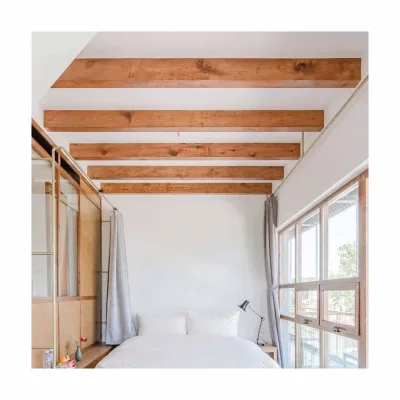
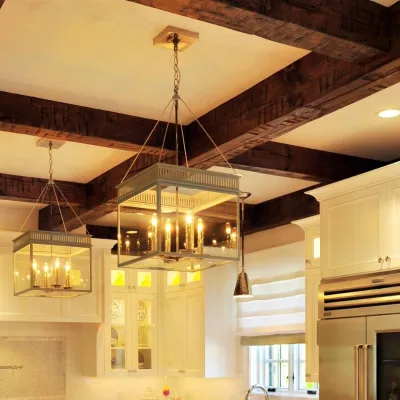
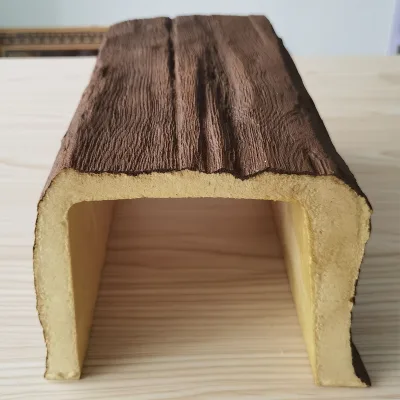
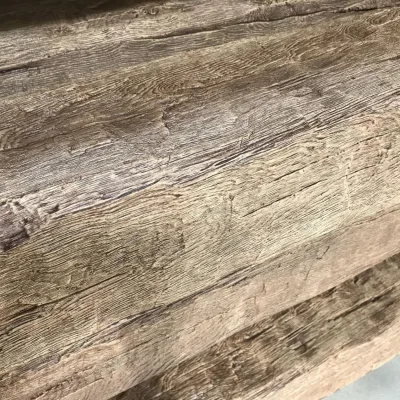
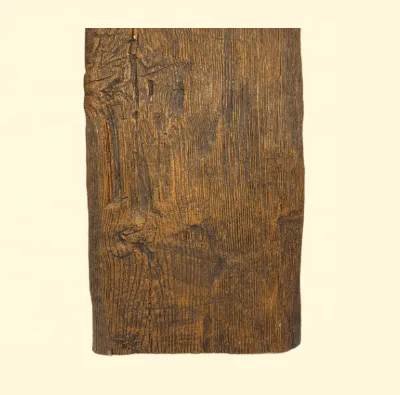
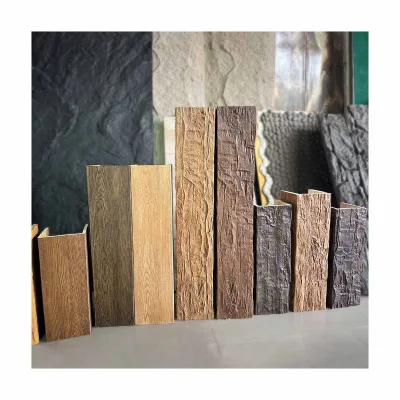
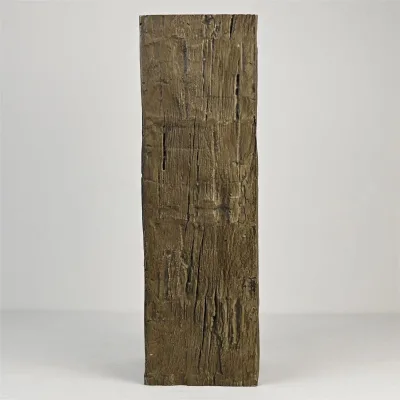
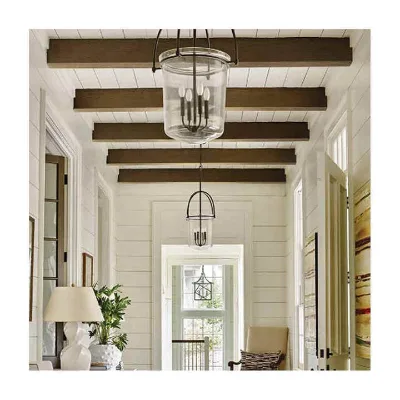
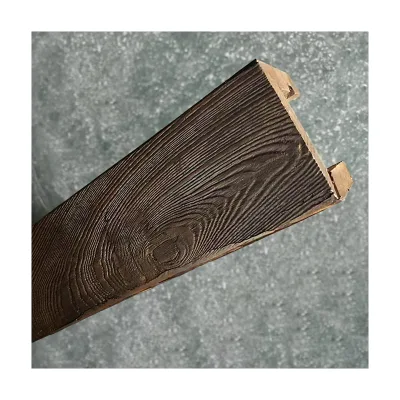
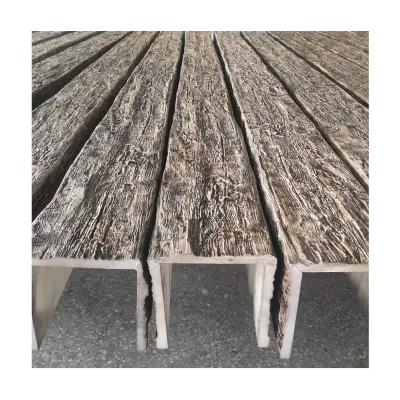
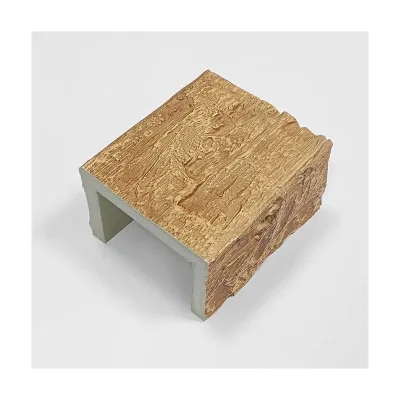
The product scope for waterproof PU faux wood beams encompasses a variety of design styles, ranging from traditional to modern and elegant aesthetics, catering to diverse architectural preferences. Listings frequently cite specific materials like polyurethane or PU cornices, often treated with painting or film coating to achieve finishes that mimic light, dark brown, white ash, or antique pine wood tones. These attributes confirm that the core product category focuses on decorative structural elements that provide the visual appeal of real timber without the associated maintenance or weight issues.
Market signals indicate that suppliers often bundle technical capabilities with the physical product, such as offering 3D model design or graphic design services to assist with project planning. This suggests that the procurement process should not be limited to purchasing a commodity but should also evaluate the supplier's ability to provide custom solutions tailored to specific architectural requirements. Buyers should verify if the listed project solution capabilities align with their specific design needs, ensuring the supplier can support the integration of these beams into complex interior or exterior layouts.
Technical Specifications to Verify
Buyers must rigorously verify thickness and dimensional consistency, as observed listings show significant variance with thicknesses ranging from 3 mm to 20 mm and lengths up to 3.66 meters. These specifications are critical for structural integrity and aesthetic proportion, particularly when the beams are intended to span large distances or support specific design loads. A discrepancy in thickness can alter the visual weight of the beam and its compatibility with existing ceiling structures, making precise measurement verification a non-negotiable step before finalizing any order.
Surface treatment and material composition are equally vital, with observed data pointing to options like painting or film coating on polyurethane substrates. The presence of features such as water resistance and lightweight properties confirms the material's suitability for humid environments, yet the specific application of these treatments varies by manufacturer. Procurement teams should request detailed technical sheets to confirm that the surface treatment provides the necessary durability against moisture and UV exposure, ensuring the product will maintain its appearance and structural performance over time.
Compliance and Safety Documentation
While specific certification standards like ASTM E84 or ASTM D2863 are not explicitly confirmed in the provided product data, buyers must demand evidence of fire resistance and material safety compliance. The observed attribute of "Fireproof" suggests that certain listings claim this capability, but without third-party verification, this remains an unconfirmed observation rather than a guaranteed standard. Procurement protocols should require suppliers to provide valid test reports or certificates that substantiate any fire safety claims, ensuring the product meets local building codes and safety regulations for the specific installation environment.
Documentation regarding after-sales support and warranty terms serves as a proxy for product reliability and manufacturer confidence. Listings frequently mention a two-year warranty and online technical support, which are essential indicators of a supplier's commitment to long-term product performance. Buyers should scrutinize the specific terms of these warranties to understand what constitutes a valid claim, ensuring that coverage includes defects related to water resistance and structural integrity, thereby mitigating the risk of premature failure in the field.
Cost Drivers and Commercial Terms
The cost structure for waterproof PU faux wood beams is heavily influenced by minimum order quantities, which range widely from 20 to 1000 pieces across different suppliers. This variance creates a significant barrier to entry for smaller projects, forcing buyers to either consolidate orders or seek out suppliers with lower thresholds to manage cash flow effectively. Understanding these MOQ constraints is essential for budgeting, as failing to meet the minimum order can result in the inability to purchase or the need to absorb excess inventory costs.
Shipping and packaging details represent another major cost driver, with observed single gross weights ranging from 20 kg to 36 kg and packaging varying from simple polybags to robust cartons. The port of loading, typically Shenzhen, China, implies that international buyers must factor in freight costs and potential customs duties into their total landed cost calculations. Additionally, the availability of free samples can reduce initial risk, but buyers must account for the shipping costs associated with these samples when evaluating the overall financial feasibility of the procurement.
Supplier Qualification and Quality Control
Supplier qualification should prioritize those with established project solution capabilities, such as 3D model design or graphic design services, which indicate a higher level of technical engagement. The presence of brands like EeverWall and Auuan suggests that established manufacturers are active in this space, yet buyers must verify the consistency of their production processes rather than relying solely on brand recognition. Evaluating the supplier's ability to provide consistent quality across different batches is crucial, especially given the variation in observed product attributes like color and surface treatment.
Quality control measures must extend beyond the initial product inspection to include verification of the supply chain and logistics capabilities. Suppliers listing a supply ability of 10,000 pieces per week demonstrate capacity, but buyers should confirm that this volume can be maintained without compromising quality or lead times. It is essential to establish clear communication channels for quality assurance, ensuring that any deviations in thickness, color, or finish are addressed immediately to prevent the delivery of non-conforming goods that could disrupt project timelines.
Long-Term Procurement Checks
Long-term procurement success depends on establishing a robust framework for monitoring product performance and supplier reliability over the warranty period. Buyers should implement a system for tracking field performance, specifically focusing on the water resistance and durability claims observed in the product listings. Regular audits of installed beams can provide early warnings of potential failures, allowing for proactive maintenance or replacement before minor issues escalate into significant structural or aesthetic problems.
Maintaining a relationship with suppliers who offer comprehensive after-sales support, such as online technical assistance, is vital for resolving issues that arise post-installation. The availability of spare parts or replacement units should be confirmed during the initial negotiation phase to ensure continuity of supply for future repairs or expansions. By prioritizing suppliers with proven track records and clear support mechanisms, buyers can secure a stable supply chain that supports the longevity and aesthetic integrity of their architectural projects.
FAQs
What material is used for these faux wood beams?
The beams are constructed from polyurethane or PU cornices to mimic wood. This material offers a lightweight alternative to real timber while maintaining structural integrity for both interior and exterior applications without rotting.
Can I get a free sample before placing an order?
Yes, free samples are available for potential buyers to inspect quality. This allows you to verify the water-resistant features and surface treatment before committing to a larger purchase order with the specified minimums.
What is the minimum order quantity for these beams?
The minimum order quantity varies by supplier but typically ranges from 50 to 100 pieces. Some vendors may require up to 300 pieces, so you should confirm specific MOQ requirements when contacting manufacturers directly.
How long is the warranty period for these products?
Most suppliers provide a two-year warranty covering manufacturing defects. This ensures durability for your projects while you rely on online technical support for any installation or maintenance questions that arise during the coverage period.
Which design styles are available for these faux beams?
Available styles include traditional, modern, and elegant designs to suit various architectural needs. You can choose from light and dark brown colors or white ash and antique pine finishes to match your specific interior or exterior decor.
What is the typical thickness of the faux wood beams?
The thickness generally ranges from 3 mm to 20 mm depending on the specific model. This variation allows for different structural requirements and aesthetic profiles while maintaining the lightweight advantage of polyurethane construction.
Where are these products manufactured and shipped from?
These products originate from Guangdong, China, and are shipped from the Shenzhen port. This location ensures efficient logistics for international buyers while maintaining the quality standards associated with the regional manufacturing capabilities.